
Core Principles of Book Cover Design That Sell
Attracting the Right Audience
The first step in designing an effective book cover is to make sure its appearance instantly grabs the attention of the intended audience. You need to understand what readers expect within a specific genre. For example, thriller readers are often drawn to dark and mysterious designs, while romance fans typically prefer soft colors and emotionally driven visuals.
Do research on bestselling book covers in that genre. Observe common color schemes, font choices, and layout patterns. This will help you stay aligned with market expectations.
Accurately Conveying Genre and Mood
Each genre has its own distinct visual language. You can use specific typography, illustrations, and color palettes to reflect the genre. This helps potential readers feel the atmosphere of the story from the very first glance.
Creating a Strong Focal Point
Use contrast in color, font size, and element placement to guide the reader’s eye to the most important part, such as the title or main illustration. Avoid designs that scatter the viewer’s attention in too many directions.
Keep It Simple and Clear
A clean design with minimal distractions is easier to understand and looks more professional. You should also ensure that the design remains clear even at small sizes, as it may be used as a digital thumbnail in online bookstores.
Originality That Sticks
A good design should be visually memorable. You can create an original book cover by combining unexpected elements that are still relevant to the story. The goal is to make sure your book doesn’t get lost among hundreds of other covers.
Always start with your audience and how you want them to feel the story the moment they see your book cover. Create a design that suits the genre, stands out, is clear, and carries a unique visual character.
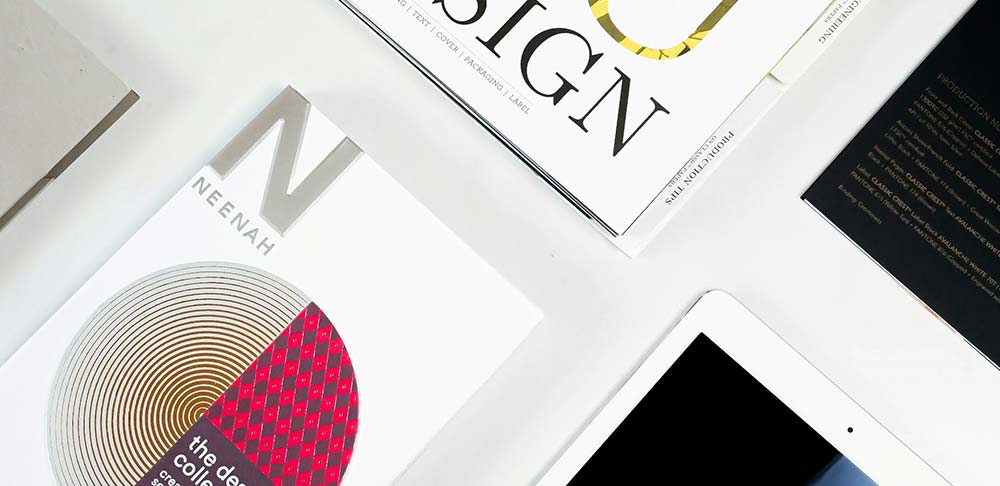
1. Key Elements of a Successful Book Cover Layout
Typography That Commands Attention
Typography plays a major role in creating a strong first impression. You need to ensure the book title stands out the most. Use large and readable fonts that suit the genre. For example, serif fonts are perfect for classic or historical tones, while sans-serif is better for business or self-help books.
Besides the title, pay attention to the placement of the author’s name and subtitle, if any. For new authors, the name can be smaller or highlighted if the author is already well-known.
Choosing the Right Imagery for Your Story
The image you choose must be relevant and represent the story. For genres like fantasy fiction or children’s books, illustrations are commonly used. Meanwhile, genres such as biographies or business usually rely on photography.
Sometimes, a single strong symbol is enough. Symbols like keys, silhouettes, or mysterious objects can represent the essence of the story, as long as they are meaningful. Avoid generic or cliché images that reduce the appeal of your book cover design.
Building an Impactful Color Palette
Colors can set the emotion and expectation even before readers open the book. Use a color palette that matches the genre. For instance, pastel tones work well for romance, while darker shades suit thrillers.
Composition and Layout Across Book Components
Arrange the main elements with visual balance in mind. On the front cover, make sure the title, author’s name, and main image are aligned and support one another. On the spine, include the title, the author’s last name, and the publisher logo (if any).
The back cover usually contains the synopsis, author bio, testimonial quotes, and barcode. Use a grid or layout system to maintain harmony and proportion.
2. The Book Cover Design Process: From Concept to Final Print
Research and Creative Briefing
Every strong book cover design begins with a deep understanding of the story. You need to read the manuscript or at least the synopsis to grasp the key message that should be visually conveyed. Then, define your target audience, their age, interests, and visual expectations.
Continue with research on design trends within the same genre. What’s currently popular? What elements feel overused and should be avoided? Gather visual references in a moodboard, including typography examples, color palettes, and illustration styles for inspiration.
Sketching and Conceptual Exploration
This stage is your playground. Create several rough sketches or thumbnail layouts to explore different approaches. They don’t need to be perfect, what matters is exploring layout possibilities for the title, imagery, and other elements.
Visual Development and Digital Execution
Once the concept is chosen, you can move into the digital production stage. Use tools like Adobe Photoshop, Illustrator, or Canva to start building the design using final elements like typography, main imagery, and color palette.
Also design the full cover, including the spine and back. Don’t forget to check the legibility of all text, especially the title and synopsis.
Feedback, Revisions, and File Preparation
The final step is to gather feedback from relevant stakeholders, such as the author, editor, or potential readers. Listen openly and make revisions that truly enhance the visual and emotional impact.
Lastly, prepare the files for print and digital use. Make sure technical specs like resolution, color mode, and spine size match the publisher or print-on-demand service requirements.

3. Book Cover Design by Genre: Tailoring Your Visual Strategy
Fiction Cover Design Strategies
Fiction book cover design needs to align with the characteristics of each genre. For thrillers or mysteries, use dark tones, visuals that spark curiosity, and strong, bold typography. You can add silhouettes, fog, or mysterious symbols as the main visual elements.
On the other hand, romance genres often use pastel or warm color palettes, with illustrations or photos that show emotional relationships between characters. Script or soft-styled fonts are often used to enhance the romantic feel.
For science fiction and fantasy, explore imaginative worlds, futuristic elements, and stylized fonts. Literary fiction tends to use minimalist, symbolic, and artistic approaches. Historical fiction often combines vintage textures, era-specific imagery, and serif fonts to emphasize the sense of time.
Non-Fiction Cover Design Best Practices
Non-fiction design takes a more functional and communicative approach. Business or self-help books often rely on clean yet visually strong designs. Use bold typography, clean backgrounds, and colors that convey professionalism and confidence.
For biographies or memoirs, using a portrait photo of the main subject works well as the central visual. Layouts should be tidy and not overdone to maintain focus on the person.
Meanwhile, cookbooks typically need high-quality food photography with appetizing color tones. Genres like history may use archival visuals, old documents, or maps as supporting elements, along with neutral and serious color tones.
4. Preparing Book Covers for Print and Digital Formats
Understanding Format Variations
Before finalizing the design, it’s important to understand the different formats that will be used. For print, there are usually three types: hardcover, paperback, and dust jacket. Each has different size and layout requirements, especially for the spine and margins.
Meanwhile, digital formats like eBooks or audiobook thumbnails typically only require the front cover design. This design must remain visually strong even at small sizes on digital devices.
Meeting Technical Design Specifications
To ensure your design prints or uploads correctly, all technical aspects must meet the standards. For print versions, use a minimum resolution of 300 DPI and CMYK color mode. For digital versions, use RGB for optimal screen display.
Don’t forget to calculate the appropriate spine width based on the page count and paper type. This will affect the final file size and layout accuracy during printing.
Ensuring Print-Ready File Output
The final step in the design process is to prepare your file to be truly print-ready. You’ll need to include crop marks, bleed areas, and safe zones in your design document. Final files are usually submitted as PDFs for print, and JPG or PNG for digital use.
Follow the technical guidelines of the platform you’ll use, such as KDP (Kindle Direct Publishing) or IngramSpark, since each has its own layout specifications. Ignoring this can result in inaccurate prints or file rejection.
Closing: Start Designing Covers That Truly Stand Out
Now you have a complete guide to creating a book cover design that’s attractive and strategically effective. From understanding your target reader, choosing the right typography and color, to adapting your design based on genre and format. Every element plays a crucial role in a book’s success.
Remember, the cover design is the first impression that determines whether someone is interested in reading or skips your book altogether. So take the time to do research, explore ideas, and make sure the final result meets professional publishing standards.