What is AR Product Packaging?
Definition and Key Objectives
Product packaging is no longer just about protecting or presenting a product. You can now create new customer experiences through AR product packaging, an innovation that blends physical packaging with Augmented Reality (AR). When customers scan the packaging using a smartphone, tablet, or even AR glasses, they can instantly view interactive digital content such as animations, video tutorials, or mini games.
AR product packaging allows you to deliver more information without crowding the physical space of the packaging. This is especially useful when you want to explain product usage or simply add entertaining elements to enhance user engagement.
One of its main goals is to transform the unboxing experience into something more meaningful and memorable. For instance, if you’re selling a kids’ food product, you can bring cartoon characters on the packaging to life, greeting the child when scanned.
It also opens up great opportunities to build stronger relationships between your brand and consumers. You can add calls-to-action like “Scan to win” or “Unlock AR experience” to encourage direct interaction.
In conclusion, AR product packaging is a strategy worth considering if you aim to create packaging that is both visually appealing and digitally functional.
1. Technologies Behind AR Packaging
Types of AR Technology in Packaging
To deliver an effective AR product packaging experience, it’s important to understand the available types of Augmented Reality technology. First, there’s marker-based AR, which detects specific images or logos on the packaging to trigger digital content.
Next is markerless AR, which utilizes SLAM (Simultaneous Localization and Mapping) technology. This approach doesn’t require physical markers, offering more flexibility as it places digital content directly in the user’s real-world environment. Lastly, geospatial AR uses the user’s GPS location to display AR content, ideal for location-based promotions.
Viewing Devices and Platforms
To enjoy the AR experience, customers need to use devices like smartphones, tablets, or AR glasses such as Apple Vision Pro or Microsoft HoloLens. Therefore, it’s crucial to ensure your AR content is compatible with these various devices.
Development Tools and SDKs
To develop AR content, you can use a variety of tools and AR SDKs like Apple’s ARKit, Google’s ARCore, or platforms such as Unity, which can be integrated with Vuforia. If you prefer web-based solutions, 8thWall is a popular choice for building WebAR experiences accessible via browser. Other platforms like Snapchat Lens Studio, Instagram Spark AR, and Adobe Aero also allow for creative AR development without complex coding.
Delivery Methods and Connectivity
Lastly, you need to decide how to deliver the AR experience. WebAR is fast and convenient as it doesn’t require app installation. However, native apps are still relevant for brands that already have their own mobile apps. Ensure stable internet connectivity, especially when serving high-resolution or real-time content. 5G technology can improve loading speed and AR experience quality.
2. Benefits of Using AR in Product Packaging
Enhanced Customer Engagement
AR product packaging can significantly boost customer engagement. You can create interactive experiences like animated storytelling, quick quizzes, or mini games right from the packaging. This way, customers don’t just look at the product, they interact with it. You can also personalize experiences based on location or user behavior, making the content more relevant.
Rich Product Information Delivery
Packaging often has limited space. With Augmented Reality, you can provide additional information such as 3D product models, usage instructions, and nutritional facts. For example, skincare products can include application tutorials directly from the packaging, eliminating the need for printed manuals.
Marketing and Branding Opportunities
From a branding perspective, AR product packaging opens up vast possibilities. You can add shareable features like AR filters or brand mascots that customers can photograph and share on social media. Calls-to-action like “Scan for a discount” or “Unlock AR game” help drive direct consumer actions.
Post-Purchase Value
The value of AR product packaging doesn’t stop at the point of purchase. After the product is bought, you can continue providing content like recipes, DIY guides, or troubleshooting videos.
Supporting Sustainability Goals
You can reduce the need for printed materials like leaflets, manuals, or labels. Since digital content is easily updatable, you can provide the latest information without reprinting packaging, helping your brand support sustainability goals.
3. How to Design AR Packaging Experiences
Strategic Content Planning
Before creating the AR product packaging experience, it’s important to plan your content. Decide what kind of content will genuinely provide value, education, entertainment, or promotions. Also consider how frequently the content needs to be updated to stay relevant.
Packaging Design Integration
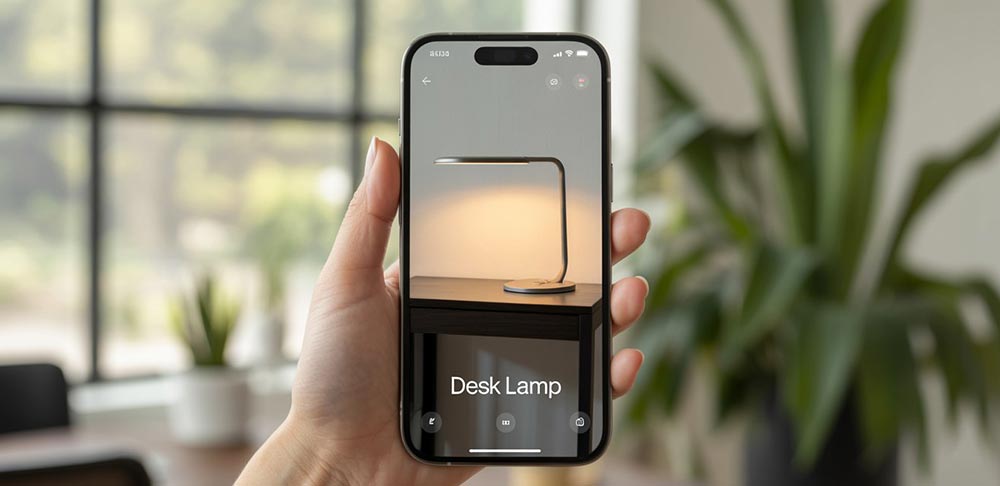
Integrating AR elements into the packaging design should be done carefully. Avoid designs that are too flashy or disrupt the overall aesthetics. Instead, place AR markers subtly but clearly visible. Use contrasting visuals so the camera can recognize them quickly. Don’t forget to add simple instructions like “Scan here to explore” to guide users.
Seamless User Experience
User experience is key. Make sure scanning is easy and the transition from physical to digital is smooth. Use fast-loading content and intuitive interfaces. Whenever possible, use WebAR so users don’t need to download an additional app.
Accessibility and Performance
To ensure everyone can enjoy the AR product packaging experience, maintain cross-device and cross-platform compatibility. Keep animations lightweight to avoid lag. If needed, include audio descriptions or easy-to-follow navigation for accessibility.
In short, a successful AR product packaging experience combines content strategy, packaging design, UX, and technical performance to create a positive impact on the customer.
4. Challenges and Limitations of AR Packaging
Common Barriers and Concerns
AR product packaging does have many advantages, but this technology also still has some challenges. One major barrier is the need for an app. Many users are reluctant to download a separate app just to access AR content. That’s why WebAR is increasingly important to reduce friction in the user experience.
Connectivity is another key concern. If users are in areas with weak signals or no internet access, the AR content might fail to load or display properly.
Cost and Content Development
On the production side, creating high-quality AR content isn’t cheap. You’ll need a creative team, developers, and possibly additional software to build truly immersive experiences. This can be a challenge, especially for small brands or startups.
User Awareness and Privacy
Not all consumers know they can scan packaging with their devices. So it’s essential to include clear instructions and easy-to-understand visuals. On the other hand, if you’re using data-driven personalization, you must also be transparent about privacy and what data is being collected.
ROI and Performance Tracking
Lastly, measuring the impact of AR product packaging on sales or customer loyalty can be tricky. Not every interaction leads directly to a conversion. You’ll need proper analytics systems to track metrics like scan count, interaction time, and user engagement.
5. Measuring the Impact of AR Product Packaging
Key Metrics and Tools
To ensure your AR product packaging is performing well, track several key metrics. First, count how many scans occur, this shows consumer interest. Next, look at interaction duration. The longer they engage, the more interested they are. Don’t forget to monitor conversion rates, such as the percentage of users who claim a discount after scanning.
You can gather this data using analytics tools like WebAR dashboards or in-app analytics. Even AR heatmaps can show which areas are most frequently viewed or tapped.
Engagement and Social Metrics
Beyond conversions, it’s important to measure how often AR content is shared on social media. This includes reposted AR filters, screenshots, or short videos. Viral engagement can expand your brand’s reach without extra ad spend. Also track repeat engagement, do users scan the packaging again after some time? That’s a good sign of loyalty and long-term value.
You can also run short surveys through AR or email to gather direct feedback. This helps you understand what users enjoy and what could be improved.
In conclusion, measuring the impact of AR product packaging requires a blend of quantitative and qualitative data, from scan counts to social engagement. With this understanding, you can continue refining your strategy and enhancing user experience.