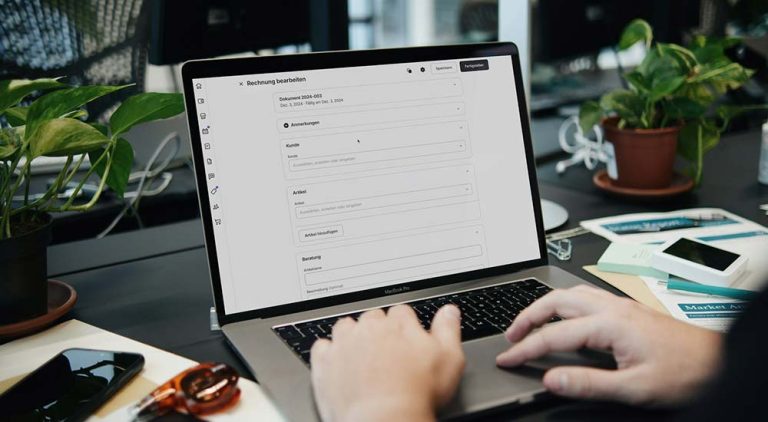
Best Proposal Builder Features for Streamlined Workflows
Template Library for Various Industries
One of the main features of proposal builder tools is the availability of ready-to-use templates tailored to your industry. Many of these templates are customizable and reusable, whether for sales, business proposals, or creative agency needs. This significantly reduces the time spent creating proposals from scratch for every new client.
Drag-and-Drop Proposal Editor
The drag-and-drop proposal editor makes it easy to add, remove, or rearrange sections of your proposal as needed. The intuitive interface allows you to insert images, videos, or tables without needing coding knowledge. This helps maintain a clear visual structure and enhances the professional impression of your proposal.
Centralized Content Management
This feature allows you to store important content such as service descriptions, case studies, or team profiles in one place. With centralized content management, there’s no need to repeatedly copy-paste information every time you create a new proposal.
Dynamic Fields for Personalization
Use dynamic fields to automatically populate client names, company names, or dates. This ensures consistency and personalization, two things that can significantly boost your chances of getting the proposal accepted.
Workflow Automation for Proposal Efficiency
Finally, workflow automation features let you set up automatic notifications, reminders for unsigned proposals, or price calculations based on client-selected services. This speeds up your work process and reduces the chance of manual errors.
1. Team Collaboration and Real-Time Client Engagement
Real-Time Team Collaboration Tools
When working in a team, seamless collaboration is key. With proposal collaboration features, you can edit proposals simultaneously in real time, leave comments, and track changes via version history. This ensures every team member can contribute without creating separate documents. It also minimizes miscommunication or information loss during revisions.
Client Analytics and Engagement Tracking
Once the proposal is sent, you’ll want to know how the client interacts with it. Client analytics features let you track how many times the proposal was opened, how long they spent on each section, and which parts captured their attention the most.
E-Signatures and Approval Workflows
The approval process becomes much more efficient with e-signature proposal software. Clients can sign digitally with full legal compliance. Every signature is recorded along with timestamps and signer identity, making the process faster and more secure.
Interactive Proposal Elements
To boost client engagement, you can add interactive elements like editable pricing tables, integrated calendars, or introductory videos. Some interactive proposals even support live chat modules or built-in feedback forms. These features make the experience more dynamic and personalized.
2. Branding & Personalization Options in Proposal Builders
Brand-Centric Visual Customization
To make your proposals look professional and consistent, maintaining brand identity is crucial. With custom proposal design features, you can add your logo, select brand palette colors, and apply your brand typography. This consistency not only builds credibility but also shows that you care about every detail in client communication.
Flexible Section Control
Not every proposal needs the same structure. That’s why flexibility is important. Modular section control allows you to add, remove, or hide sections based on the specific needs of each project. You can even set conditional logic so certain sections only appear under specific conditions. This makes your proposal feel more targeted and relevant to each client.
Global Localization Features
If you’re working with international clients, localization features can be a huge asset. You can create proposals in different languages, adjust local currencies, and format taxes and dates according to the client’s region. These adjustments help build trust and improve the experience for global clients.
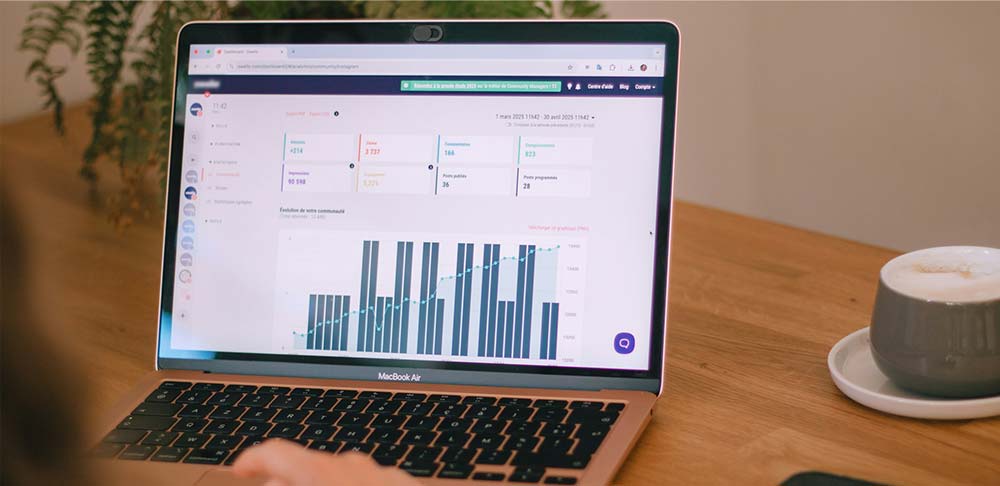
3. Integration Ecosystem: CRM, Payments & More
CRM and Sales Tool Integration
A major advantage of modern proposal builder tools is their ability to integrate with CRM systems like HubSpot, Salesforce, or Zoho. With these integrations, you can automatically pull client data and update proposal statuses according to your sales pipeline. This reduces manual work and ensures your sales team is always working with up-to-date information.
Payment Gateway Integration
Once the proposal is approved, the next step is payment. That’s where integration with payment gateways like Stripe, PayPal, or Wise comes into play. You can embed direct payment links or even QR codes within the proposal, making transactions faster and more convenient for clients.
File & Cloud Storage Support
When you need to attach visual references, technical documents, or past project samples, integration with cloud storage platforms like Google Drive, Dropbox, or OneDrive is extremely helpful. Clients can access all additional files directly from the proposal without downloading from separate sources.
Project Management Integration
If you want to kick off the project immediately after proposal approval, connect your proposal tool with software like Trello, Asana, ClickUp, or Jira. Project management integration allows you to automatically generate tasks or boards based on the proposal content.
API & Webhook Automation
For custom workflows, you can leverage APIs and webhooks. These allow integration with internal systems or trigger automations through platforms like Zapier and Make.com. This ensures a smoother end-to-end workflow from proposal to project delivery.
4. Security, Pricing Models, and Legal Compliance
Access Controls & Team Permissions
Document security is a top priority, especially when handling sensitive client data. With access and permission controls, you can define who can view or edit proposals. Some platforms also offer password protection and restricted access settings. This prevents data leaks and safeguards document integrity during negotiations.
Legal & Audit Compliance
Beyond security, proposals must meet legal standards. Modern tools come equipped with audit and compliance systems that let you track every activity on a document, who viewed, edited, or signed it. Digital signatures also comply with regulations such as eIDAS and ESIGN, giving you peace of mind for conducting online business transactions.
Flexible Pricing Models
When choosing a proposal builder tool, consider pricing models that align with your business needs. Options typically include free plans with limited features, monthly or annual subscriptions with full features, or pay-per-proposal models. For large enterprises, custom enterprise pricing packages are available to match workload volume and internal system complexity.
5. Who Should Use Proposal Builder Tools and Why
Key User Groups
Not everyone needs a proposal builder, but for many, it’s a game-changer. Sales teams can send fast, professional proposals. Consultants and freelancers benefit from structured templates even when working solo. Marketing and design agencies use it to maintain brand consistency. Even small businesses and large enterprises can leverage automation to manage complex proposal processes.
Business Benefits and ROI
The right tool delivers tangible efficiency gains. Proposal builder tools speed up the proposal creation process, ensure visual consistency, and boost conversion rates. All of this translates into better return on investment (ROI) over time.
Future Trends in Proposal Software
Looking ahead, you’ll see new trends shaping the digital proposal landscape. From AI-powered content generation that helps draft personalized proposals, to mobile-first editors that let you work from your phone. Some platforms are also exploring blockchain security for signature validation, unlocking new levels of digital trust.
If you value efficiency, consistent branding, and actionable data, now is the time to make proposal builder tools a part of your workflow.